11 Nov 2026
The 2030 Outlook: Redefining the Role of the Data Scientist
By Diwakar Chandra Gour
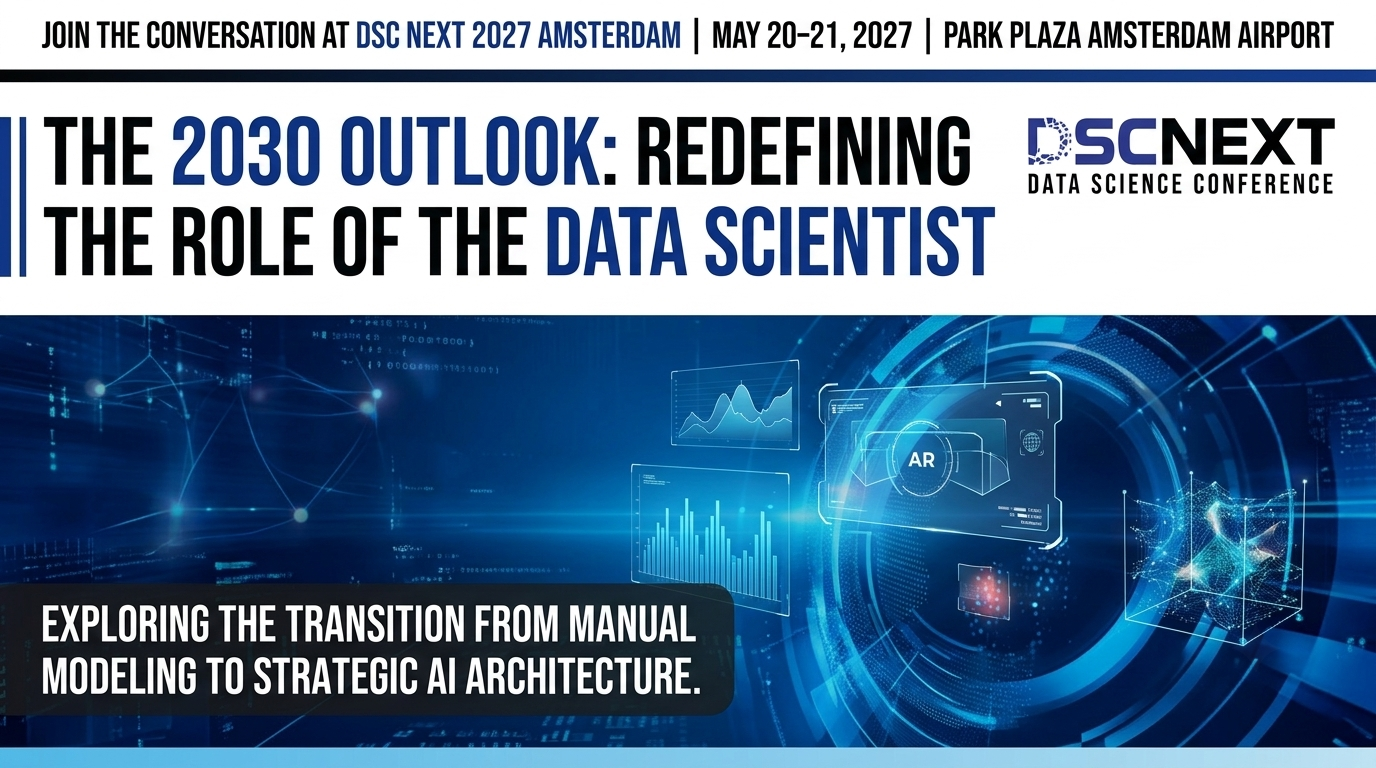
The 2030 Outlook: Redefining the Role of the Data Scientist
The data science landscape is undergoing a seismic shift. For years, the core function of a data scientist was synonymous with manual model building, data cleaning, and feature engineering. However, the rapid advancement and democratization of AutoML, augmented analytics, and generative AI tools are automating these routine tasks at an unprecedented pace. This begs a critical question for the industry: what is the future for human data scientists as we look toward 2030?
This very question is at the heart of intense debates among industry leaders. The emerging consensus is clear: data scientists are not becoming obsolete—rather, the role is undergoing a profound and necessary evolution.
Beyond Code: The Strategic Pivot
While automated tools can now train and deploy models with remarkable speed, they lack crucial human capabilities: business context, domain intuition, and ethical reasoning. A machine can optimize hyper-parameters based on historical data, but it cannot evaluate strategic trade-offs, anticipate market disruptions, or frame the core business problem to solve.
By 2030, successful data scientists will have transitioned from manual model-builders to strategic AI architects. This evolved role focuses on four core pillars:
Domain Expertise and Business Strategy: The primary differentiator will be deep industry domain knowledge. Data scientists must work hand-in-hand with business stakeholders to translate abstract strategic challenges into precise analytical queries. The goal shifts from asking "How can I fit a model to this dataset?" to "What business decision needs to be made, and how can data ensure its success?"
Enterprise Data Architecture and Systems Design: As routine modeling becomes commodity, human expertise moves upstream. Data scientists will design cohesive analytical ecosystems, establishing unified semantic layers, robust governance frameworks, and data pipelines that keep automated tools fed with clean, reliable data.
Ethical AI and Algorithmic Auditing: Automation amplifies structural biases and operational risks. Human oversight remains indispensable for setting guardrails, auditing automated decisions, preventing model drift, and navigating complex regulatory environments such as sovereign AI standards and data privacy mandates.
Strategic Storytelling and Change Leadership: Insights derived by complex or automated models carry zero value if decision-makers cannot understand or trust them. Translating raw analytics into clear, persuasive strategic narratives will be essential for driving organizational adoption.
Join the Conversation at DSC Next 2027 Amsterdam
As organizations across the globe restructure their analytical teams to prepare for this new era, the debate over the data scientist's evolving identity takes center stage.
If you are eager to stay ahead of these industry trends, learn how leading enterprises are adapting their workforce, and gain actionable insights into future-proofing your data career, join us at DSC Next 2027 (3rd Edition)!
Dates: May 20–21, 2027
Location: Park Plaza Amsterdam Airport, Amsterdam, Netherlands
What to Expect: World-class keynotes, multidisciplinary panels on AI governance and future-of-work trends, interactive workshops, and high-level networking with global technology leaders.
Whether you are a practicing data scientist, engineering leader, or executive architecting your company’s AI roadmap, DSC Next 2027 offers the ideal forum to explore what's next.
Secure your registration or view the full conference agenda on the official website: https://dscnextconference.com